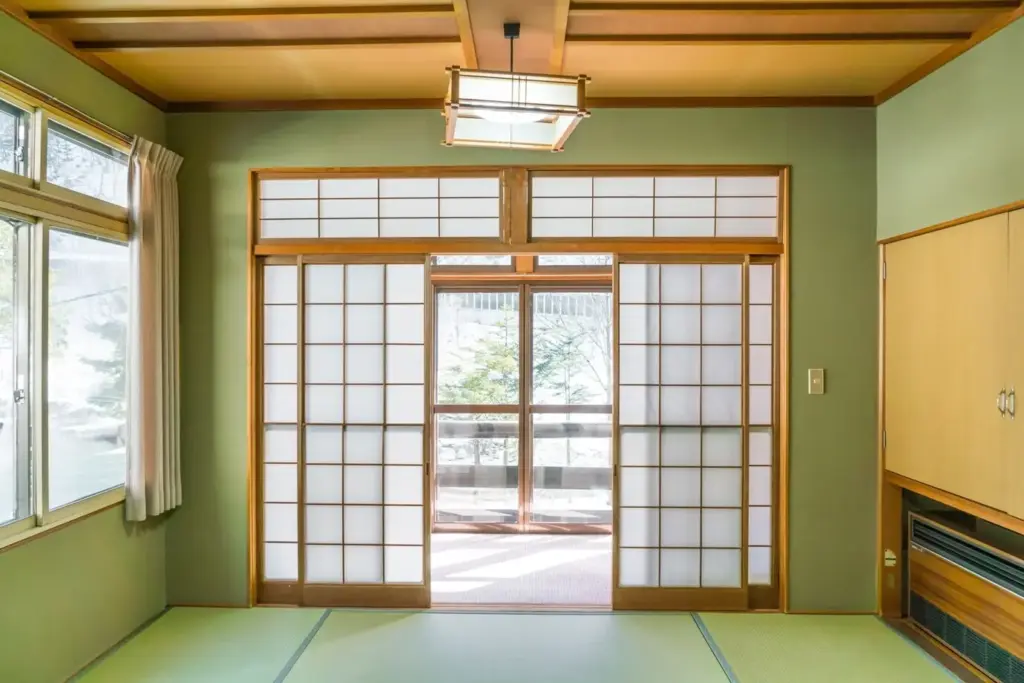
Quietly Transforming Walls for Minimalist Calm

Today we explore limewash, plaster, and microcement for minimalist homes, celebrating quiet texture, soft color, and durable simplicity. Expect practical tips, honest pros and cons, and real stories showing how tactile walls soothe busy rooms while staying functional, easy to maintain, and endlessly adaptable. Read on, ask questions, and share your space’s challenges so we can help you choose confidently and beautifully.

Material Foundations That Invite Stillness

Minimalism thrives when materials carry the emotion, so understanding how these finishes behave is essential. We examine composition, performance, and feel, distinguishing the breathable romance of minerals from modern polymer strength. Use this knowledge to align aesthetics, maintenance needs, and long-term comfort, creating rooms that whisper rather than shout, yet remain resilient under real life.

Limewash, Alive with Mineral Depth

Made from slaked lime, water, and mineral pigments, limewash penetrates rather than forms a film, allowing walls to breathe and develop nuanced color variation. Its chalky glow suits north light and uneven surfaces, softening imperfections. It naturally resists mold, ages gracefully into a velvety patina, and invites gentle touch that rewards slow, contemplative living.

Plaster, From Heritage Craft to Modern Clarity

Whether lime, clay, gypsum, or polished Venetian blends, plaster offers layered luminosity that shifts as daylight moves. Trowel marks read like brushstrokes, giving rooms character without clutter. It regulates humidity, muffles sound, and can range from matte chalkiness to marble-like sheen, all while supporting minimalist compositions that prioritize proportion, light, and honest material presence.

Microcement, Ultra-Thin Continuity with Strength

At roughly two to three millimeters, microcement overlays create seamless, groutless surfaces across walls, floors, and built-ins. Polymer-modified cement bonds tightly to stable substrates, then seals for moisture resistance. The continuous plane elongates sightlines, supporting minimalist clarity in kitchens, bathrooms, and entries. With proper prep and sealing, it delivers contemporary durability without visual noise or visual heaviness.

Minimalist Principles Applied to Tactile Walls

Restraint does not mean sterile. Texture becomes the quiet counterpoint to negative space, and color depth replaces visual clutter. By limiting materials and letting light do the styling, you focus on scale, shadow, and proportion. These finishes act like acoustic panels for the eyes, calming busy minds while meeting daily demands with pragmatic, resilient elegance.

From Prep to Finish: Crafting Surfaces That Endure

Longevity depends on meticulous preparation and patient layering. Stable substrates, thoughtful priming, and compatible products prevent disappointment later. Each material has a tempo—respect curing times, humidity, and tools. The finish you admire online likely came from careful planning, clean edges, and disciplined technique. Approach the process like a ritual, and every room will reward your intention.

Preparing the Base for Success

Great finishes begin with honest walls. Fill hairline cracks, sand ridges, and degrease kitchen or bath areas thoroughly. For limewash, use mineral-friendly primers or filler coats; for plaster, confirm adhesion; for microcement, ensure rigidity and waterproofing where needed. Mask carefully, map seams, and plan cuts around electrical plates to maintain a seamless, deliberate appearance.

Tools, Consistency, and Confident Hands

A natural-bristle brush encourages clouded limewash movement; steel or flexible trowels shape plaster’s character; microcement demands measured batches, proper mixing, and sharp, clean tools. Practice on boards to learn pressure and angle. Keep edges damp to avoid lap marks. Work in manageable sections, step back frequently, and chase consistency rather than perfection—texture thrives on gentle variation.

Curing, Sealing, and Protective Finishes

Respect time. Limewash carbonates slowly, enriching color as it hardens; avoid aggressive cleaning early. Plaster may accept wax or soap finish for sheen and protection. Microcement typically requires a primer, base, finish coat, then sealers for stain and moisture resistance. Record product systems and maintenance schedules so your walls age gracefully, not merely survive.


Stories from Real Homes, Shared with Honesty

Examples reveal how small decisions shape outcomes. These vignettes showcase constraints, mistakes, and victories so you can navigate your project with clarity. Notice how lighting orientation, family routines, and pets influence choices. We invite you to add your story in the comments, building a library of practical wisdom, courage, and beautifully lived minimal spaces.

Care, Cleaning, and Everyday Resilience

These surfaces reward gentle habits and clear expectations. Know what to clean with, when to reseal, and how to fix the inevitable scuff. Plan small, seasonal touch-ups instead of stressful overhauls. With consistent light maintenance, your walls mature into richer versions of themselves, collecting stories while resisting stains, steam, and the enthusiastic energy of daily life.

Budget, Sourcing, and Sustainable Decisions

Financial clarity supports design clarity. Compare materials honestly: product cost, labor intensity, prep, sealing, and maintenance. Source from transparent vendors, ask about VOCs and mineral content, and seek installers with documented systems. Build a contingency buffer for surprises. Align your budget with enduring calm by prioritizing fewer, better surfaces that age beautifully and require minimal replacement.
Zuzokelelofevufe
Privacy Overview

This website uses cookies so that we can provide you with the best user experience possible. Cookie information is stored in your browser and performs functions such as recognising you when you return to our website and helping our team to understand which sections of the website you find most interesting and useful.