Shadows That Shape: Depth and Texture in Minimalist Rooms

Today we explore lighting for texture, creating depth with shadows in minimalist spaces through thoughtful angles, materials, and layers. You will learn how subtle shifts in distance, color temperature, and surface finish can transform quiet rooms into richly dimensional places. Bring your questions, share photos of your spaces, and subscribe for more hands-on guidance as we experiment with daylight, LEDs, and simple habits that reveal character without clutter.

Understanding Light, Shadow, and Material

Texture emerges when light meets surface at purposeful angles, and minimalism benefits from this precision. By shaping shadows rather than adding objects, you reveal grain, plaster ridges, and fabric weave. We will distinguish grazing from washing, explore soft versus sharp edges, and learn how distance changes falloff. Expect actionable insights rooted in simple principles so your serene spaces gain depth, presence, and a quietly compelling visual rhythm.

Natural Daylight as a Sculptor

Daylight changes character throughout the day, offering a moving choreography of shadows that enrich minimalist rooms without extra fixtures. Morning brings gentle relief; midday can flatten; late afternoon warms and elongates forms. Orientation matters, as do overhangs, glazing types, and surrounding surfaces. By coaching daylight with sheers, screens, and reflective elements, you can tune texture visibility while preserving the calm, edited feeling essential to minimal living.

East Windows and Morning Relief

East light arrives low and soft, coaxing gentle shadows across linen, limewash, and saw-cut oak. Place textured elements perpendicular to the window so the sun grazes them at breakfast time, creating a quiet daily ritual of depth. If brightness feels aggressive, soften it with translucent fabric. Snap phone photos every thirty minutes one morning; you will discover a reliable window for serene, texture-forward moments without artificial intervention.

Modulating with Sheers and Screens

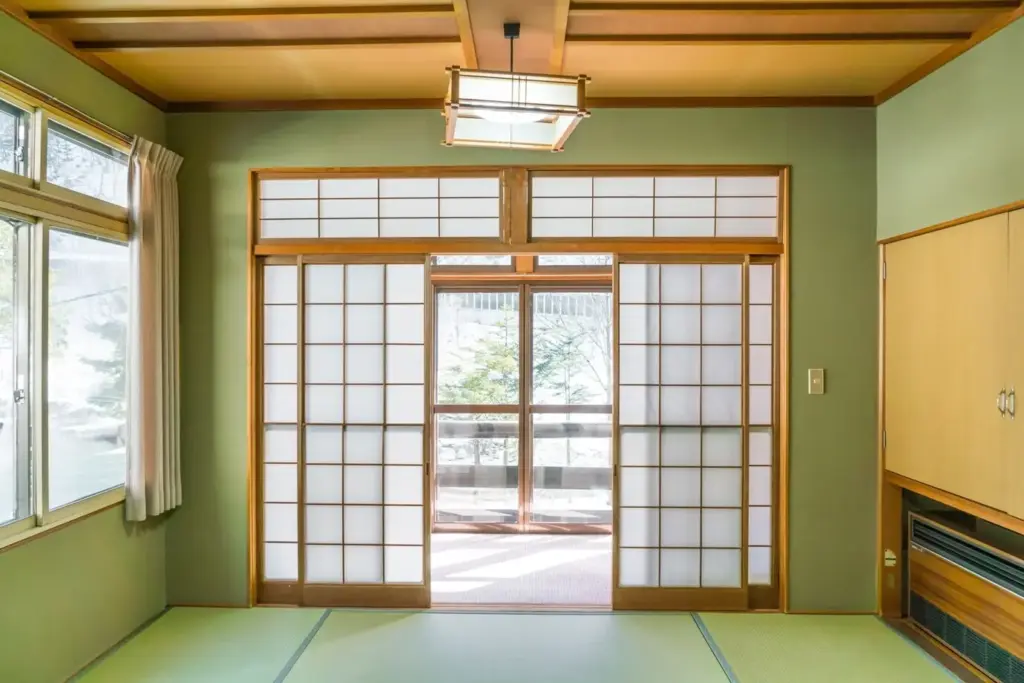
Sheer curtains scatter rays, expanding light sources and turning hard lines into delicate gradients. Shoji-style screens or micro-perforated panels lend patterned diffusion that adds a faint secondary texture layer. In a minimalist room, this modulation prevents glare while preserving sculptural edges. Adjust stacking positions or overlap densities across seasons. The goal is a movable toolkit that keeps surfaces legible, comfortable, and engaging as outdoor conditions shift daily.

Artificial Layers for Minimalist Drama

Minimalist spaces thrive on restraint, yet layered lighting introduces nuanced shadows without visual noise. Combine ambient washes for comfort, task beams for function, and accent grazers for tactile clarity. Conceal sources to keep sightlines pure, and rely on dimmers to shift emphasis from plane to plane. By editing instead of accumulating, you cultivate a choreography where a single line of light can make stone, fabric, or plaster whisper beautifully.

Wall Grazers that Carve Concrete

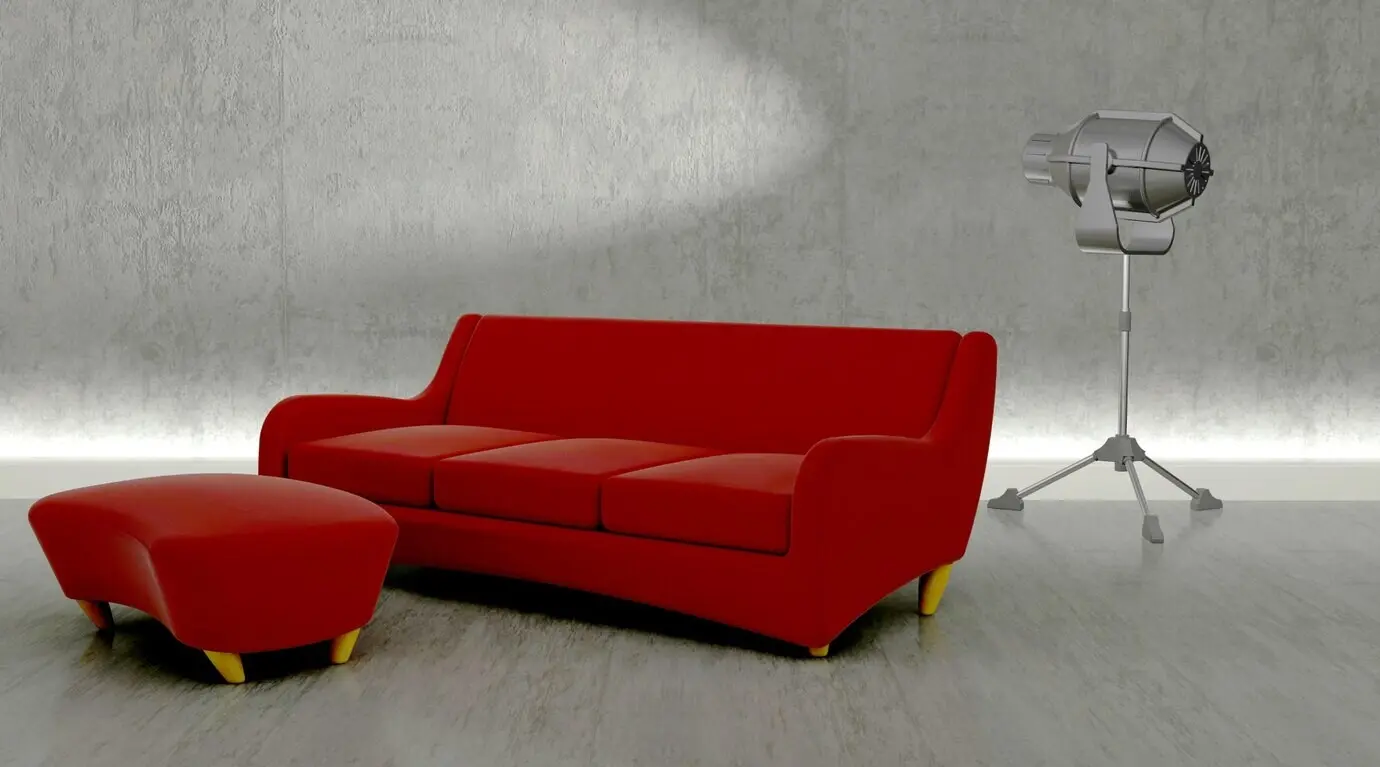
A linear grazer placed close to concrete or rough plaster can produce crisp, vertical ribbons of shadow that dignify imperfections. Choose a narrow beam and keep the fixture shallow to the surface. Test different distances to balance drama and readability. Dimming reduces harshness at night, transforming a severe wall into an elegant backdrop. Invite feedback from guests; their reactions often reveal whether the effect feels sculptural or distracting.

Cove and Slot Lines that Float Ceilings

Indirect cove lighting lifts ceilings and softens corners, creating a gentle glow that frames textured focal walls. Narrow slots can edge a corridor or headboard, guiding the eye without fixtures in view. Combine with one deliberate accent to avoid monotony. Use warm dimming to maintain intimacy after sunset. This choreography keeps rooms serene yet expressive, letting materials breathe while maintaining the disciplined clarity minimalism demands from every element.

Portable Lamps for Flexible Vignettes

Rechargeable table lamps and slender floor lights let you experiment freely, moving light until a surface reveals its best angle. Try placing a lamp low beside a ribbed ceramic vase or against a canvas weave to sculpt subtle relief. Capture results at dusk and late evening to compare shadow edges. Share your favorite vignette with our community; small, portable setups often unlock creative, budget-friendly transformations in pared-back interiors.
Warm Whites for Natural Materials

Timbers, clay, linen, and leather often glow under 2700–3000K, where shadows feel inviting rather than stark. This warmth deepens grain and softens pores without muddying detail. Test bulbs in the evening to judge comfort, then confirm at night when eyes dilate. Choose high-CRI lamps, especially with robust reds, to avoid lifeless browns. The result is a relaxed, intimate depth that supports minimalist restraint yet celebrates material honesty.

Neutral Clarity for Painted Surfaces

Painted drywall, lacquered cabinetry, and coated metals can benefit from 3500–4000K, which maintains clarity while preventing chilly casts. Under this range, subtle textures in matte paint emerge cleanly, and edges read precisely. Use dim-to-warm fixtures to transition evenings softer. Keep gloss levels in check to avoid glare that flattens relief. Allow one accent source to introduce contrast, ensuring the space remains composed, luminous, and appropriately tactile for quiet living.

Planning, Positioning, and Common Pitfalls

Good intentions fail without careful placement. Glare can erase texture; misaligned beams cause uneven scallops; too much brightness flattens everything. Start with a concept sketch, identify key surfaces, then layer from ambient to accent. Mark mounting lines with painter’s tape, photograph tests, and revise before drilling. Commit to dimming control. The reward is a disciplined, flexible system that enhances depth on demand while keeping sightlines calm and uncluttered.

The Loft with a Rough Wall

A narrow-beam grazer installed two inches from a board-formed concrete wall turned a bland loft corner into a sculptural focal point. The owner lowered output after sunset to maintain intimacy. Guests assumed an expensive renovation, yet only light changed. The space finally matched its minimal furniture: crisp, deliberate, and quietly expressive. Try a similar setup on brick or lightly troweled plaster; the transformation can feel startling and deeply satisfying.

A Kitchen that Breathes at Dusk

Under-cabinet LEDs with high CRI were tilted slightly forward to skim handmade tiles, revealing their irregular edges. Warm dimming shifted from task brightness to intimate glow as dinner approached. The backsplash gained depth while counters stayed practical. Family members began cooking earlier to catch the best shadows, turning routine prep into a small ceremony. Consider a timed fade in your kitchen; texture becomes a companion, not mere decoration.

A Bedroom where Silence Has Shape

A linen headboard and limewashed wall once looked flat. A portable lamp placed low, aimed across the fabric at twenty degrees, introduced soft contours that felt restful. A small cove above the drapery lifted the ceiling like dawn. The room encouraged slower breathing and reading before sleep. This gentle choreography proves minimalism need not be cold. Share your nighttime routine adjustments; others may borrow your ideas to find calmer spaces.
Zuzokelelofevufe
Privacy Overview

This website uses cookies so that we can provide you with the best user experience possible. Cookie information is stored in your browser and performs functions such as recognising you when you return to our website and helping our team to understand which sections of the website you find most interesting and useful.