

Tactile Comfort for Small Minimalist Spaces on a Budget

Today we dive into budget-friendly ways to add tactility to small minimalist spaces, proving that calm simplicity and rich sensory detail can happily coexist. Discover inexpensive materials, hands-on DIY upgrades, and lighting tricks that invite touch without clutter, overspending, or visual noise. Share your favorite textures in the comments, and subscribe for weekly, bite-sized projects perfect for renters, tiny homes, and anyone craving warm, touchable minimalism.

Textured Essentials That Respect Simplicity

Minimal rooms come alive when humble textures do the talking: nubby cotton, slub linen, raw wood, matte ceramics, and cork. We will stretch small budgets by mixing thrifted finds with simple new additions, preserving clarity while granting tactile warmth and quiet depth. Expect actionable, renter-friendly steps, plus stories from tiny apartments where one rugged throw or cork mat transformed the entire feel without sacrificing that serene, pared-back look.

Layering Softness Without Visual Clutter

Layering can overwhelm a small room, but careful editing turns softness into a calming sensory experience. Aim for restrained stacks: one throw, two cushion sizes, one modest rug topper. Let tonal harmony keep the eye quiet while the hand encounters depth. Learn how to fold, drape, and rotate pieces seasonally so your space feels renewed. Comment with your color palette, and we will propose tactile pairings that suit it.

The one-throw rule, elevated

Choose a single throw with an expressive weave—waffle, herringbone, or chunky seed stitch—and commit to it as your daily touchpoint. Drape it cleanly, then fold it differently each week for micro-variation. A reader swapped three bland throws for one dense cotton weave and instantly reported calmer evenings. Share your favorite weave pattern, and we will help match it to your sofa or bedding proportions.

Rug on rug, small-space edition

Place a tiny wool or sheepskin-style accent on a larger flatweave backing to create a soft island that anchors reading or meditation. Keep colors tonal so the effect feels intentional, not busy. In a micro-living room, a petite high-pile square signals a tactile zone without visual chaos. Tell us your room size, and we will recommend compact dimensions that preserve circulation while intensifying comfort underfoot.

Cushions with mixed handfeel

Instead of piling cushions high, select two or three with distinct textures—linen, bouclé, and washed canvas—within the same neutral range. That restrained mix encourages touch and supports posture without clutter. A subscriber found that swapping a slick cushion for nubby bouclé improved nightly reading comfort. Comment with preferred firmness levels, and we will suggest insert options and low-cost covers that elevate your home’s tactile rhythm.

DIY Surfaces and Finishes That Invite Touch

A weekend project can transform flat walls or objects into subtle, touchable surfaces. Limewash, plaster-effect paint, and baking soda paint add quiet variation without shouting for attention. Use sample pots and small test boards to perfect tone and texture. We will guide you through renter-friendly methods that respect minimal lines while welcoming fingertips. Share your before-and-after photos for feedback from our community of small-space experimenters.

Small-Scale Details That Feel Good in the Hand

Hardware swaps that matter

Replace cold, overly glossy handles with brushed metal, leather loops, turned wood, or ceramic pulls. The change looks modest but feels transformative each time you open a drawer. A reader replaced five kitchen handles for under twenty dollars and now cooks more, simply because the touch is pleasant. Tell us your cabinet style, and we will suggest hardware profiles that maintain clean lines while inviting daily contact.

Trays and inserts with gentle grip

A cork-lined tray or felt drawer insert adds quiet friction that prevents sliding while offering soft texture whenever you reach for keys, remotes, or pens. Minimal rooms benefit from this hidden tactility. Try a modular setup you can rearrange seasonally. Post dimensions of your drawer or tabletop, and we will propose an inexpensive cutting plan and adhesive options to keep everything stable and beautifully understated.

Tactile art you will want to reach for

Low-relief pieces—paper pulp, fiber collages, or carved wood—introduce dimension without visual noise. Keep palettes neutral and forms simple, letting shadows sketch the details. A dollar-store frame plus handmade paper created a surprisingly refined focal point. Share your wall measurements, and we will outline placement heights, spacing guidelines, and mounting strips to keep walls pristine while inviting slow, respectful, touch-aware appreciation.

Nature’s Tactile Boost on a Shoestring

Natural elements add sincerity and texture that age gracefully. Leaf shapes, bark ridges, pebbled surfaces, and woven plant fibers activate the senses while staying visually quiet. Even one textured plant or a small bowl of smooth stones can soften minimal lines. We will help you select low-maintenance options suited to light levels. Comment with your sun exposure, and we will tailor a nature-forward plan for lasting calm.

Light That Reveals Texture in Compact Rooms

Texture comes alive when light skims, grazes, and layers softly. Instead of over-bright general lighting, use warm bulbs, directional lamps, and translucent shades to make weaves, plaster, and wood grain glow. The right angle can turn a plain wall into a serene surface story. Share your floor plan and fixture count, and we will help craft a lighting trio that flatters minimal forms while highlighting touchable details.

Grazing light along walls

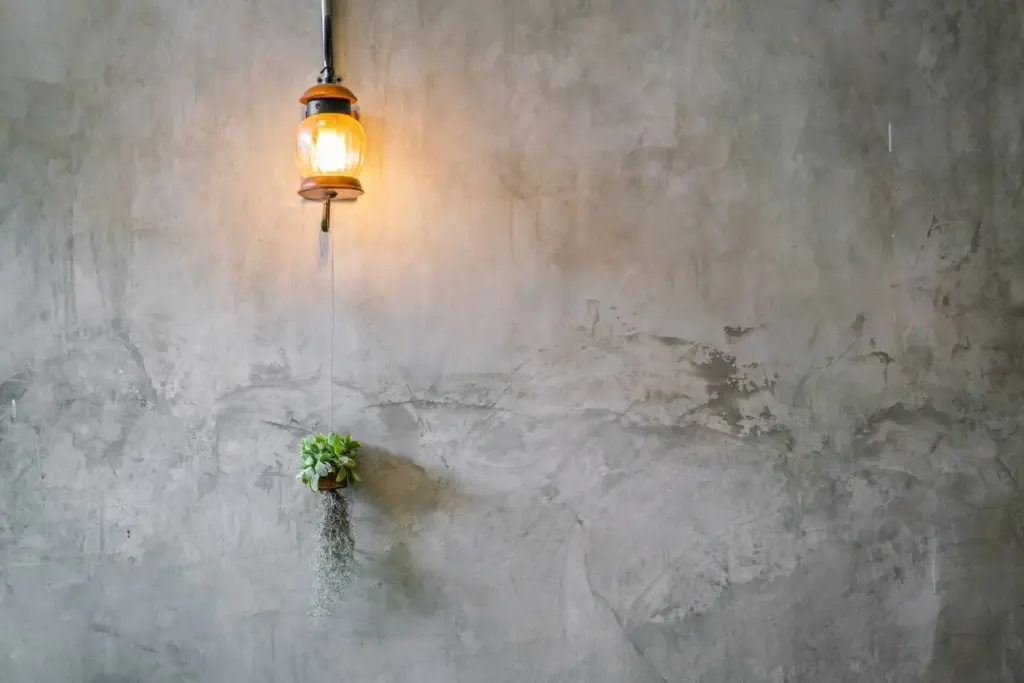
Aim a slim lamp so light moves parallel to a limewashed wall or woven hanging, exaggerating shallow shadows that feel rich yet calm. This low-cost trick beats expensive feature walls. In a tiny hallway, one adjustable sconce transformed flat paint into gentle dimension. Post your wall length, and we will suggest bulb warmth and mounting height that preserve simplicity while revealing quiet material character.
Shades that shape shadow

Linen, rice paper, and raffia shades soften light, turning crisp edges into comforting gradients that flatter textured surfaces. Swap a harsh plastic shade for a natural fiber version, and the whole room exhales. A renter reported better sleep after this ten-minute change. Tell us your bulb type and color temperature, and we will recommend shade opacity so your minimal palette stays calm, not dim.
Candle glows, safely staged

A single unscented candle on a matte tray near unvarnished wood or stone delivers warm flicker that hugs textures beautifully. Use heat-safe placements and never leave flames unattended. LED candle alternatives can mimic the effect. Share your favorite evening nook, and we will suggest reflective companions—ceramic, metal, or glass—that double luminosity without clutter, keeping intimacy high and maintenance blissfully low.

Zuzokelelofevufe
Privacy Overview

This website uses cookies so that we can provide you with the best user experience possible. Cookie information is stored in your browser and performs functions such as recognising you when you return to our website and helping our team to understand which sections of the website you find most interesting and useful.